
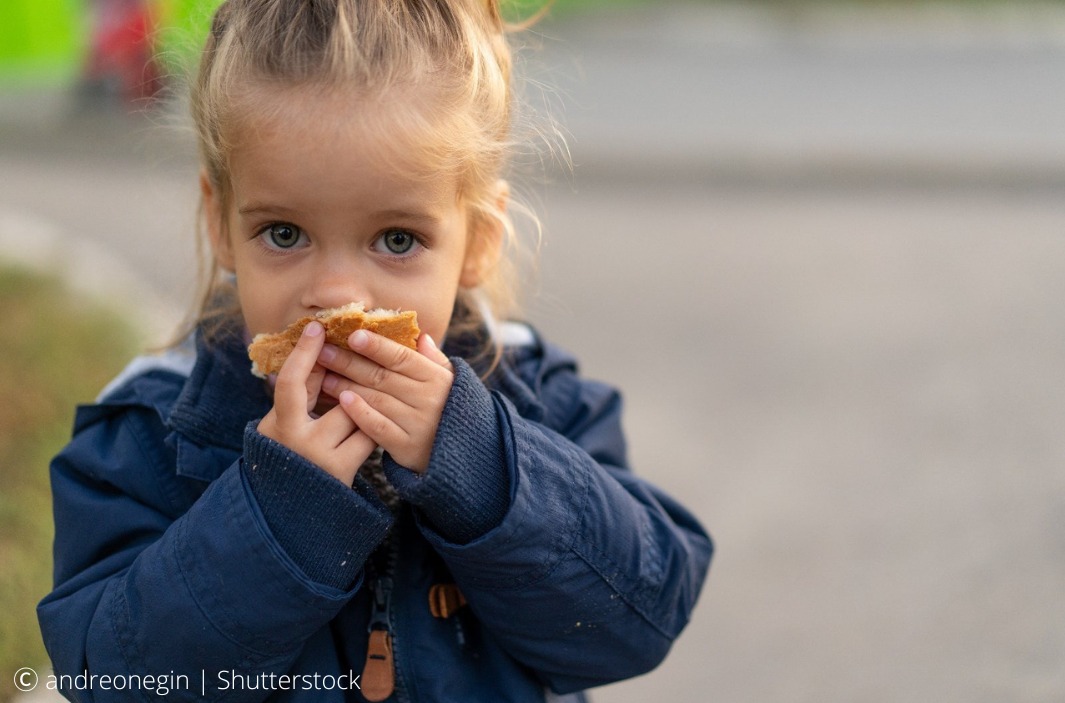
The Buy Better Food Campaign has initiated an EU-wide petition for ‘A healthy meal for every child in every EU School’. The aim is to invite cities and citizens to urge EU and national policy makers to implement sustainable school meals for the implementation of the EU Farm to Fork strategy.
EU child obesity rates are on the rise, with almost 1 in 3 children (29% of boys and 27% of girls) overweight or living with obesity. Diet related ill health now causes more deaths than tobacco or alcohol and accounts for 11% of the health budget in EU countries. With food at school making up more than 50% of energy intake for many pupils, good school meals and food education have been identified as key, cost effective public health measures. Peter Defranceschi, who heads the food work at ICLEI, one of the Buy Better Food Coalition members, contributed, “We are very concerned about children in our communities being left behind. Food prices are skyrocketing and the provision of food in schools is patchy – with some schools not offering a school meal at all. We demand that the EU guarantees healthy food and education for all children, in all schools, across the EU, and we are asking you to join us”.
Currently not all EU schools offer lunch, which leaves children at risk of hunger during the day. Better school food would help deliver the European Child Guarantee, announced by EU Commission president in 2019 and designed to ensure that every EU child at risk of poverty has access to their most basic rights.
In Europe, local and regional public authorities play a key role in implementing sustainable food systems, and they have the mandate to procure food or catering services (sustainable food procurement) for their institutions/bodies, such as schools, daycares, hospitals, etc.
Public food procurement constitutes a sizeable and powerful market and opportunity to invest in healthier food systems. Each year, an estimated €82 billion in public money is spent on public sector food and this could be directed to sustainable producers and help tackle the worrying climate footprint of EU diets.
The European Commission has two key opportunities over the coming months to guarantee good food for all schoolchildren. The EU Farm to Fork Strategy has aspirations to, “determine the best modalities for setting minimum mandatory criteria for sustainable food procurement to promote healthy and sustainable diets, including organic products, in schools and public institutions”. The commission also intends to “review the EU School Scheme legal framework with a view to refocus the scheme on healthy and sustainable food”. This scheme already offers financial help for fruits, vegetables and milk in schools, combined with food education activities, such as farm visits.
Defranceschi adds, ‘The European Commission told us on several occasions that the time for inspiring them with concrete ideas was now. The #SmallPlateBigImpact Petition is about school food healthy for people and planet and about social justice. Combined with food education on healthy food habits and local food culture, your support can make change happen’.
As the academic year begins for many EU schools, support the ‘A healthy school meal for every child in every EU school’ petition here.
For more information about the Buy Better Food campaign go here.


